
We see our workshops becoming the child’s expressional compass.
What to expect at our music and dance workshop
The workshops are split into three parts:
1) Musicality in dance
2) Dance movements
3) Pupil Improvisation
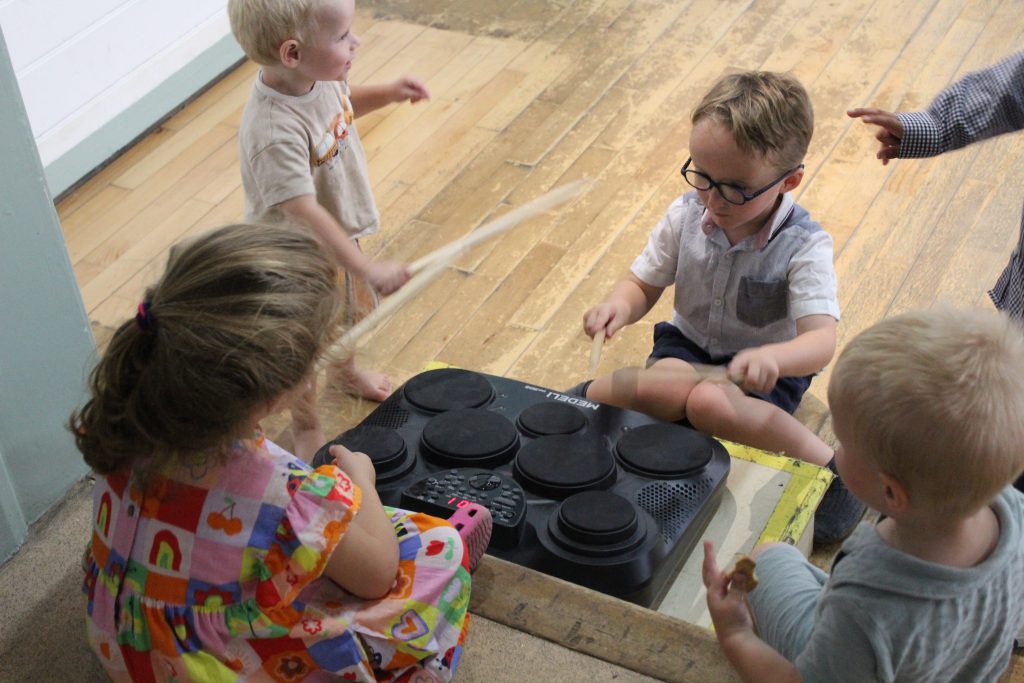
1) Musicality in dance
Different focus points are taught in game format
Musicality in dance is the ability to interpret and express through movement, adding depth and emotions to a performance. Bringing the music to life.
The approach we have is listening to different instrumental pieces of music, showcasing the feelings, emotions and overall message the composer is trying to communicate via the music’s rhythm, dynamics, tempo, melody, duration, form, texture, meter, pitch, timber and harmony. We breakdown complicated concepts, into two to seven bite-size chunks and easy to learn points in each workshop. Some of the focus points include dynamic expressions, music intricate layers, phasing, musical accents, patterns….
For this we usually chose commercial pop or hip-hip songs; without vocals and replaced with string instrument playing the melody. This combination concentrates the child’s mind on hearing the lessons’ focus points. This is taught in games for the young children to learn through playing. Being able to listen and identify these elements enriches and broadens in how a child is hearing and interpreting the music.
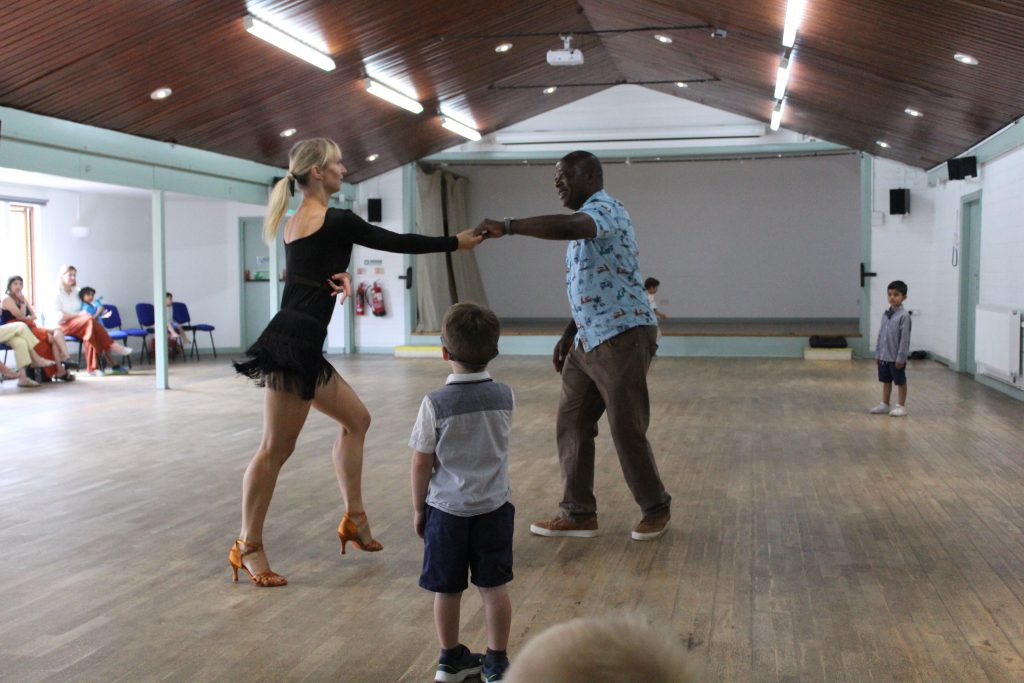
2) Dance movements
Visualisation of music interpreted in three dance styles
We then take these key new skills into the next parts of the lesson, where we create between 7 and 20 choregraphed dance steps (depending on the children’s age) to the same piece of music we have analysed in the first part of the lesson.
These dance steps range in dance style to demonstrate how art is subjective and everybody interprets the same bit of music in different ways by picking different layers and beats from them music, typically for a ballet steps there is a greater focus of the melody and harmony with awareness of the beat and patterns, respecting the musical rhythm and accents, on the other hand the street dance steps are driven by the beat, patterns and accents of the music, staying mindful of the melody, harmony and texture.
For the third dance style steps we pair up the children and still using the very same piece of music as our ear is used to different layers, we showcase how it the music lends itself to be a ballroom or Latin style like Waltz, cha-cha-cha, jive, samba, salsa. Demonstrating three different interpretations of the same piece of music.
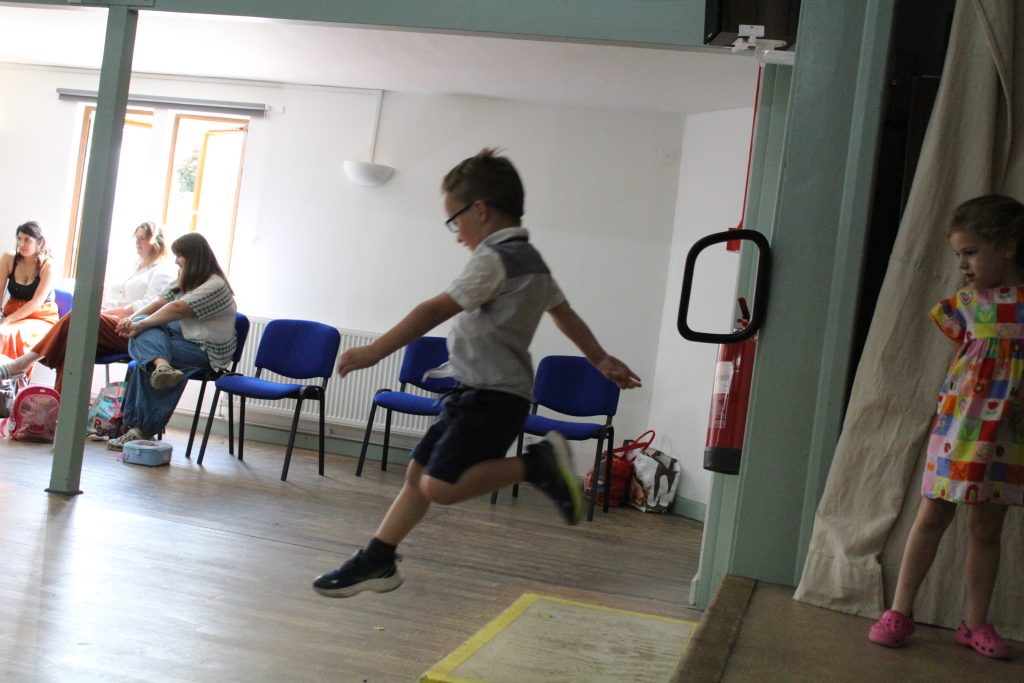
3) Pupil Improvisation
A child’s creative journey
When starting the third part of the lesson, the children have already been exposed to three different dance styles and a variety of musical interdependencies. Now it is time to search for the child’s own interpretation and developing their own style of communication. We open the floor freestyle, every child takes turns in improvising and showcasing their interpretation, the leading child will freestyle and all others including the teacher will copy the leading child’s style. We repeat this for every child so that all children have a go to be the leading dancer.
After each freestyler, the teacher will praise for putting themselves out there, show a possible technical refinement and potential next steps in the child’s style.
To be able to do the freestyles shares the child’s own musical and dance expression. This takes courage and builds confidence. Having the teacher and other pupils copy the leading child’s dance moves supports and re-assures each child’s creative journey, emotional self-discovery and search for their inner voice.